
The Origins of Gambling: Ancient Civilizations
The history of gambling dates back to ancient civilizations, where it played a significant role in societal rituals and entertainment. Archaeological findings in China suggest that rudimentary forms of gambling originated around 2300 BC. The Chinese utilized tiles and bet on the outcome of thrown dice. Meanwhile, ancient Egyptians created various forms of wagering games, emphasizing the universal appeal of games of chance across different cultures, with many players today enjoying platforms like australian online casino that showcase this rich tradition. These early games set the foundation for what would eventually evolve into more structured forms of gambling.
In addition to China and Egypt, ancient Greece also recognized the allure of chance. The Greeks engaged in games that involved betting, often highlighted during their popular Olympic games. This sense of competition, paired with the thrill of winning, made gambling a favored pastime among the affluent. Moreover, the Romans adopted gambling as a crucial part of their culture, hosting elaborate games and contests where individuals from all walks of life could participate. This historical backdrop reveals gambling as a social phenomenon, reflecting human nature’s desire for excitement and the allure of fortune.
As the centuries progressed, gambling developed further within these ancient societies. The introduction of playing cards in the 9th century in China marked a significant evolution in gaming. These cards carried various symbols and designs appealing to different societal classes, leading to broader acceptance and popularity of gambling. The influence of ancient cultures on gambling practices laid the groundwork for future innovations, ultimately leading to the establishment of more formal gaming establishments. This heritage continues to echo in modern gaming, showing how deeply embedded gambling is in human history.
Medieval and Renaissance Gaming: The Rise of Gambling Houses
The Middle Ages saw a transformation in gambling practices as the Church’s influence surged, often leading to prohibitions against various forms of betting. However, despite the restrictions, gambling persisted in underground venues and during festivals. The emergence of card games like Tarot in Italy and the popularity of dice games showcased the resilience of gambling culture. As society transitioned into the Renaissance, a renewed interest in arts and sciences sparked innovation in gaming, leading to the establishment of the first gambling houses in cities like Venice.
During this time, gambling houses began to adopt more structured rules and regulations, offering legitimate spaces for eager gamblers. These establishments became both social and economic hubs, where individuals could indulge in games ranging from baccarat to roulette. Royalty and nobility were prominent patrons of these gaming houses, further popularizing the activity. The lavish lifestyle associated with gambling during the Renaissance period highlighted the intersection of wealth and chance, creating an environment ripe for growth and societal acceptance of gaming.

As these gambling houses flourished, they attracted not only elite classes but also common people, marking a significant social shift. The establishment of official gaming licenses and regulations during this era laid the groundwork for modern casinos. These early forms of gaming establishments sought to provide fair play and a safe environment, reflecting the beginnings of the organized and regulated gaming industry we see today. The Renaissance thus marked a pivotal moment in the history of gambling, setting the stage for its future evolution.
The Birth of Modern Casinos: The 18th and 19th Centuries
The evolution of casinos as we recognize them today can be traced back to the 18th century when the first official casino opened in Venice in 1638. However, it was during the 19th century that the concept of casinos truly flourished. The establishment of Casino Baden-Baden in Germany and later the Monte Carlo Casino in Monaco marked significant milestones in the global expansion of gambling. These venues became synonymous with sophistication and luxury, attracting wealthy patrons from around the world.
During this time, the invention of new games, such as poker and modern variations of blackjack, revolutionized the gaming landscape. These innovations not only captivated players but also created a distinct gaming culture within casinos. The allure of these venues extended beyond games, as casinos began to incorporate entertainment, dining options, and lavish decor, making them destinations in their own right. As gambling became more socially acceptable, casinos began to proliferate across Europe and the Americas.
The growth of railroads in the 19th century further contributed to the casino boom, allowing easier access to these gaming establishments. Cities like New Orleans became vibrant centers of gambling, reflecting the cultural melting pot of America. This period marked the shift from informal gambling houses to organized casinos, highlighting the increasing influence of gambling in society and its integration into the entertainment industry. The modern casino as we know it began to take shape, setting the stage for future developments in the gaming sector.
Casino Regulation and the Rise of Online Gaming
The 20th century brought significant changes to the gambling industry, particularly regarding regulation and the advent of technology. Governments around the world began implementing laws to regulate casinos, ensuring fairness and consumer protection. The legalization of gambling in places like Nevada in the United States led to the establishment of well-regulated casino markets, offering a safe environment for players. This period also saw the rise of iconic destinations such as Las Vegas, where elaborate casinos became symbols of entertainment and excess.
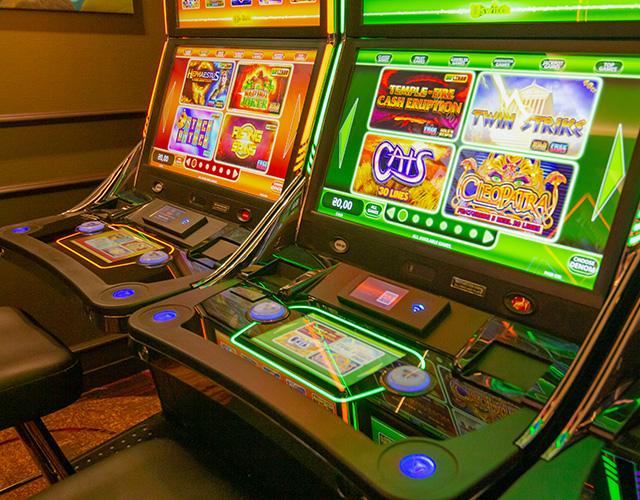
As technology advanced, the introduction of electronic gaming machines revolutionized the gambling experience, allowing for quicker gameplay and increased profits for casinos. Pioneering online gambling in the late 1990s marked another turning point for the industry. The internet allowed players to access games from the comfort of their homes, leading to a surge in participants and an expansion of the market. Online platforms offered a wide array of games that matched traditional casino offerings, often with added innovations.
The emergence of mobile gaming in the 2010s further transformed the landscape, allowing players to gamble on their smartphones and tablets. This accessibility not only widened the demographic of players but also introduced younger audiences to casino games. Meanwhile, ongoing discussions regarding regulations and responsible gaming practices have prompted both governments and online platforms to implement measures to protect consumers. The convergence of traditional and modern gaming continues to shape the future of casinos, creating an exciting and dynamic environment for players worldwide.
Exploring the World of Casinos Today
The contemporary casino landscape is marked by a rich blend of tradition and innovation. Today’s casinos offer an array of experiences, from lavish resorts with entertainment options to online platforms providing diverse gaming choices. The integration of technology has allowed casinos to enhance their offerings through immersive experiences, such as virtual reality games and skill-based gambling. These advancements not only attract skilled players but also create more engaging environments that resonate with a modern audience.
Furthermore, social dynamics are evolving within casinos. The shift from traditional gaming to more interactive and community-oriented experiences reflects changing consumer preferences. Many casinos now incorporate live dealer games and interactive tournaments, fostering a sense of camaraderie among players. This aspect has become particularly significant for online casinos, where social interaction is enhanced through chat features and community events. The casino experience today is as much about social engagement as it is about the games themselves.
The website dedicated to the casino industry serves as a valuable resource for enthusiasts and newcomers alike. Providing insights into gaming strategies, news, and industry trends, these platforms help players navigate the vast world of casinos. They often feature reviews of both physical establishments and online platforms, offering guidance on responsible gaming practices. As the casino landscape continues to evolve, such websites play a crucial role in fostering informed participation in this exhilarating domain of entertainment, making it easier for players to enjoy their gaming experiences responsibly.